As a public health professional, I am deeply aware of our community’s interconnectedness and its role in community health. I also know, and have learned in my Master’s program, that without community support, it can be highly challenging to implement effective, impactful change in communities. The people we as health professionals talk to, are critical for ensuring that we meet the community’s needs as we develop and implement changes.
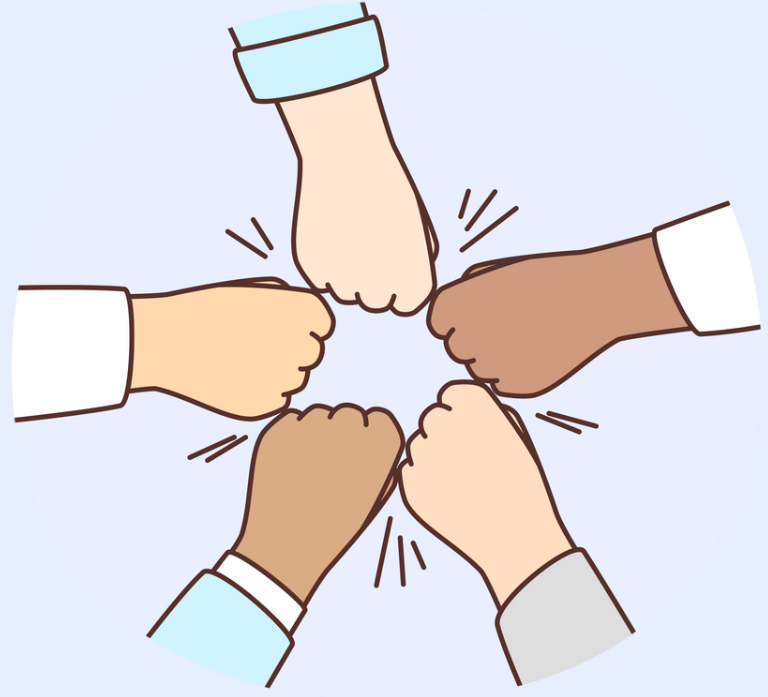
This is why we must involve the community from the beginning of any intervention program or project in a community. By engaging these community stakeholders early and often, we ensure that the program appropriately meets the community’s needs. Partnering with these partners also ensures that interventions and program development are mindful of community history and experiences and are supported by the community. Community support is a critical component of the long-term success of any community health intervention as it ensures that the intervention are sustained over time.
As we know, health professionals can use needs assessments, focus groups, community meetings, and outreach groups to engage the community early in the process. These projects can help us identify critical stakeholders, decision-makers, and influencers in the community that public health leaders serve. By connecting with these people, health professionals are more informed, more responsive, and more respectful of the communities that they are working with. Additionally, as part of meeting and engaging with the community, health professionals can identify important community members they may have overlooked.
In my work as part of the BeMore Tennessee project, we have ensured that the community is central to all assessments, programming, and interventions. We’ve done this by forming community action groups that pull people from different areas, the community, churches, civil leaders, teachers, and more. We have also partnered with the area extension agents for the University of Tennessee Institute of Agriculture, who are spread across Tennessee. These extension agents live and work in the community that they serve. As a result, these community partners are informed, aware, and influential. They are a huge resource for the people who live and work in those countiesregardingo all sorts of programs, not justagriculturel.
By creating a community group of these people, civil leaders, community towns, people, church leaders, teachers, extension agents, and more, we were able to empower them to take charge of their community’s health. We learned more about what kind of people live and work in the communities we are serving, how they choose to receive information and how they process it. This understanding of community dynamics enlightened us about their worries and points of pride in their community.
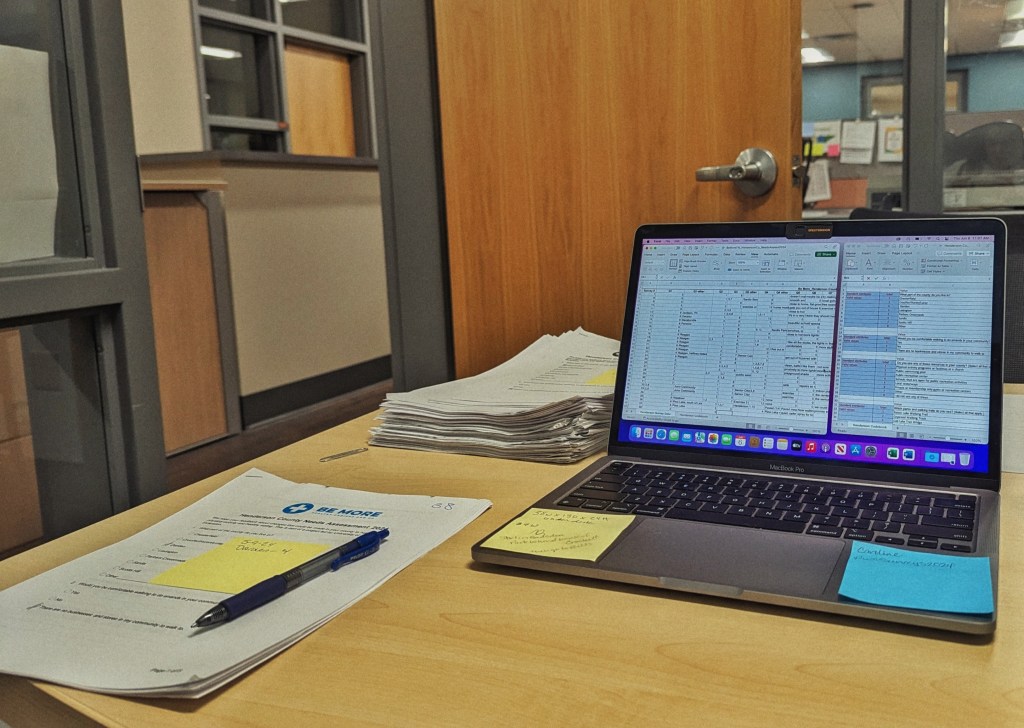
As this is the project’s first year, we have conducted survey-based needs assessments in all the major communities in each county. This allows us to find out from the people we are trying to help. We asked community members questions such as:
- How do they access nutritional or physical resources in the community?
- How do they go grocery shopping?
- If they do go grocery shopping, where do they go?
- What parks do they go to?
- Are they able to walk in their community?
All of these pieces of information help us get buy-in from community members as they begin to reflect on their experiences in their county, and they help us understand where there’s room for improvement from the people we are trying to help. This feedback ensures that our team can make impactful changes in a way that helps the community.
As a final thought, engaging the community early is crucial for intervention success. Health professionals should collaborate with community members from the start to ensure programs align with community needs. This involvement maximizes efficiency, effectiveness, and sustainability while ensuring we are not inadvertently harming the communities we hope to help.
