
When beginning initial assessments and evaluations, it’s essential to acknowledge what makes a community unique. So, what does that mean? And, more importantly, how do I do that?
The current projects I’m working on are in the initial phases of intervention: needs assessment and landscape analysis. We’re going to our communities, talking to locals, and trying to increase our understanding of what is currently in place. Most of our time has been spent exploring and fact-gathering about what has been done in the past and what assets and resources are available for us to use as we begin to plan and develop health interventions for each of the seven communities we work with.

As part of these analyses and needs assessments, we’ve conducted community-led steering groups, surveys that went out to community members across the area, and one-on-one interviews where required. As public health professionals, we know these are all standard needs assessment procedures, including information about the community’s identity and resources. However, exploring a community’s uniqueness is an often overlooked assessment area and is usually done at the end of the assessment process rather than at the beginning.
When in the assessing phase, especially when assessing multiple communities at once, it can be easy to lock in on resources, assets, challenges, and problems. However, it is important to acknowledge the community and not apply a one-size-fits-all mindset to every community we work with. This helps us interact in a culturally sensitive way with the communities we are working to help.
To prioritize cultural sensitivity and informed communication, I always take time to research the community’s history, the diversity of the community, and the industry or economy of the community before meeting with my community partners. This gives me important context when engaging with community members for areas of sensitivity I should be aware of. The background research on the community helps provide a well-rounded view of the people who live there, how they work (farmers, tradespeople, office workers, etc.), potential interests or hobbies based on parks and entertainment sources, the community’s experiences, and possible concerns or sensitivities that my team or I should be aware of as we lead and mediate discussions. By being informed about the community, we can identify challenges more quickly and reduce opposition to interventions, increasing the odds of successful or maintained interventions.
These three focus areas (history, diversity, economy) can provide valuable insight into how a community may or may not have been supported in the past and what kind of interventions could be critical. Another critical role these introduction summaries provide is acknowledging that the people and the place you work with are valuable and that the stories there matter. Establishing this respect for the community is essential for adopting new programs or investments. This is especially true for public health interventions as we work with community “problems”.
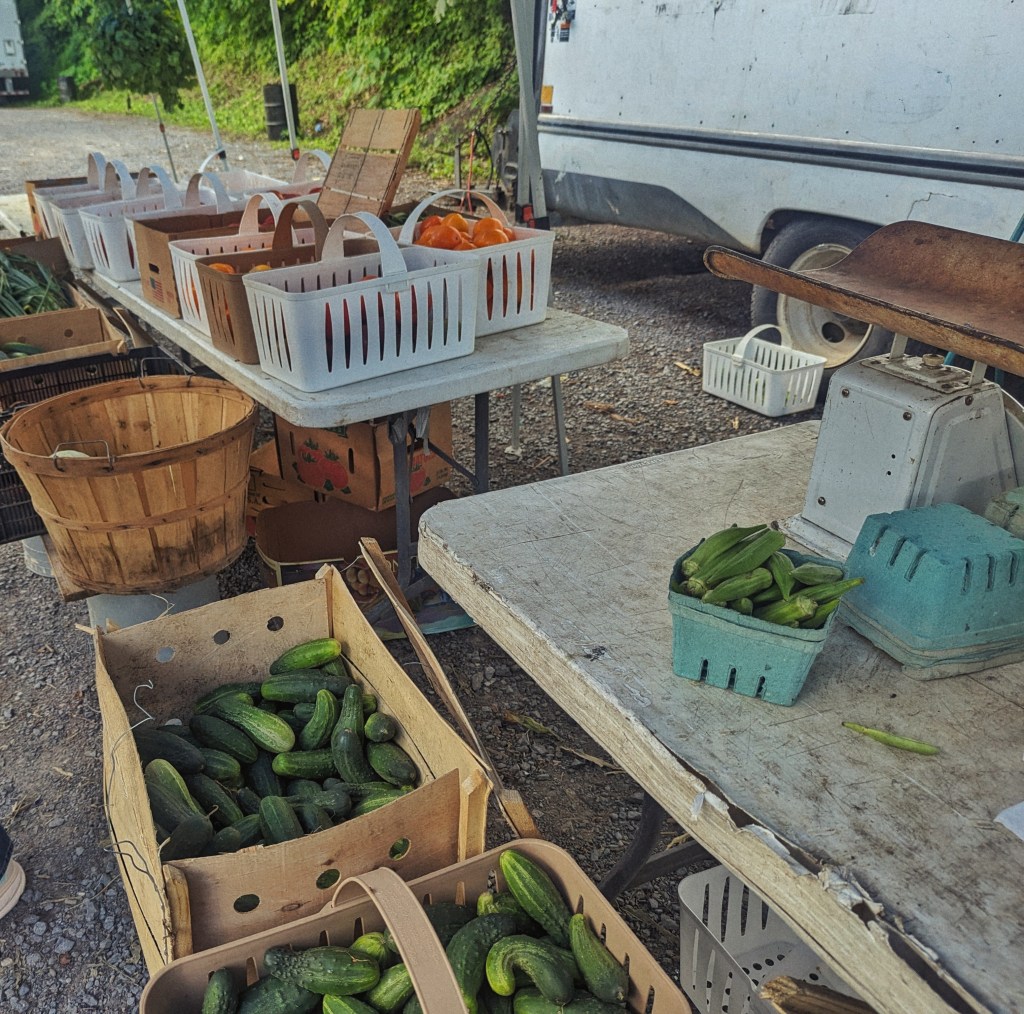
In my current projects, we are working on increasing the nutritional access and physical activity resources in seven counties across Tennessee. We emphasize the community’s uniqueness early in the assessment documents, creating a “Background Information” area for these materials. Here, we put information about the strengths of each county, a bit of the history of each county, and some interesting facts about each county. Including this information helps disarm the community members reading the initial assessment and makes them more open to hearing where there are points of weakness in their community.
So, in conclusion, it is essential to acknowledge the cultural background and diversity of the community, the historical interactions that the community has had, and the industry or economy of the community throughout the program evaluation and development process. This provides critical background for both the researchers as they begin to work in the area, as it brings to mind sensitivities and unconscious biases that could exist and informs community members that their community’s unique identity is being respected even as we identify potential challenges and problems that need to be addressed.
