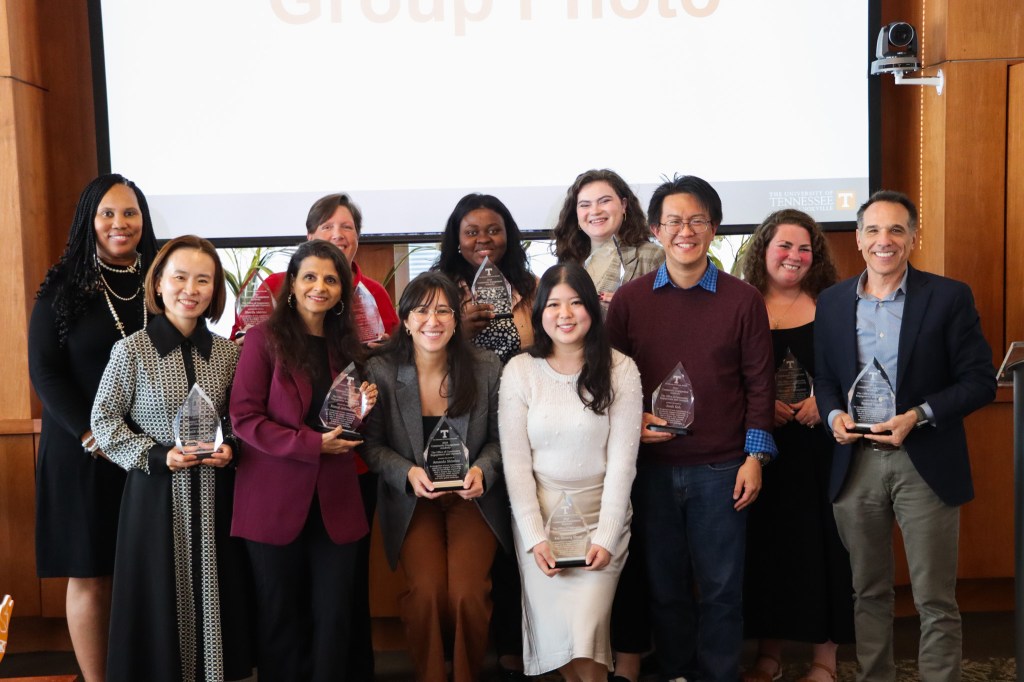
As I reflect on my journey through the Community Engagement Academy at the University of Tennessee, I am struck by the profound responsibility that universities and researchers have toward the communities that support and sustain them. This experience has not only shaped my understanding of public health but has also reinforced my belief that academic institutions must play an active role in fostering sustainable change within their surrounding communities.
The Importance of Community Engagement
At its core, community engagement is about forming genuine partnerships that lead to shared knowledge and collaborative action. During my time in the Community Engagement Academy, I learned that our research should not exist in isolation. Instead, it must intersect with community needs and aspirations. By engaging with local stakeholders, we can identify pressing issues, co-create solutions, and ultimately enhance the impact of our work.
Universities are often uniquely positioned within their communities—they are places of knowledge, innovation, and resources. However, this privilege comes with an obligation: to give back and contribute positively to the communities that support them. Engaging with these communities is not just an ethical responsibility but essential for producing relevant and effective research that makes a difference in people’s lives.
Lessons Learned from the Academy
Through my participation in the Community Engagement Academy, I have gained invaluable insights into the intricacies of community collaboration. Here are some key lessons that have shaped my perspective:
- Listening is Key: True engagement starts with listening. Understanding the voices and experiences of community members is crucial for identifying their needs and aspirations. It is only by listening that we can ensure our research addresses the real issues faced by those we aim to serve.
- Building Trust: Trust is the foundation of successful partnerships. As researchers, we must be transparent, respectful, and responsive to community concerns. Building trust takes time, but it is essential for fostering meaningful collaboration.
- Co-creation of Solutions: Collaboration should not be a one-way street. Communities possess a wealth of knowledge and resources that can enhance our research. By co-creating solutions, we ensure that our work is grounded in the realities of the community, making it more effective and sustainable.
- Measuring Impact: It is vital to evaluate the outcomes of our engagement efforts. Understanding the impact of our work on the community helps us refine our approaches and demonstrate the value of community engagement to stakeholders.
A Commitment to Community-Engaged Scholarship
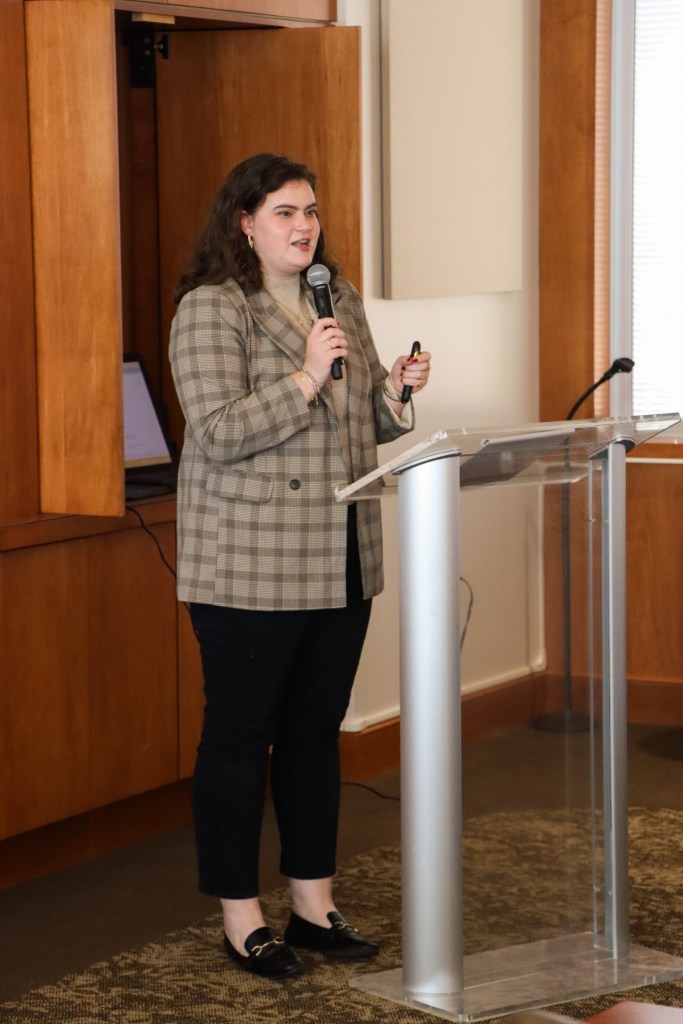
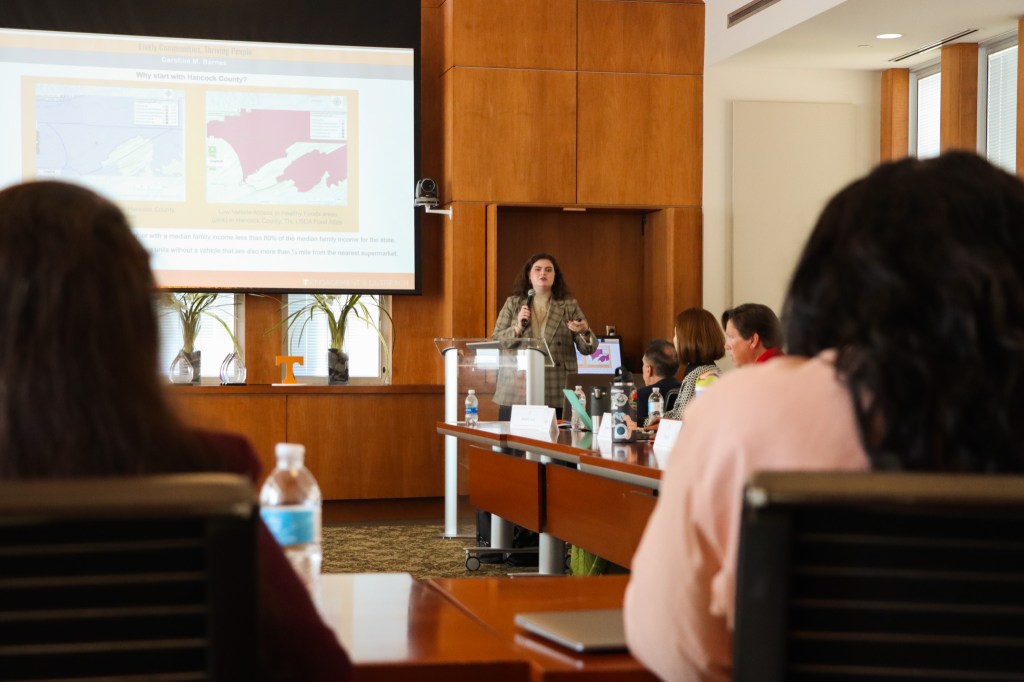
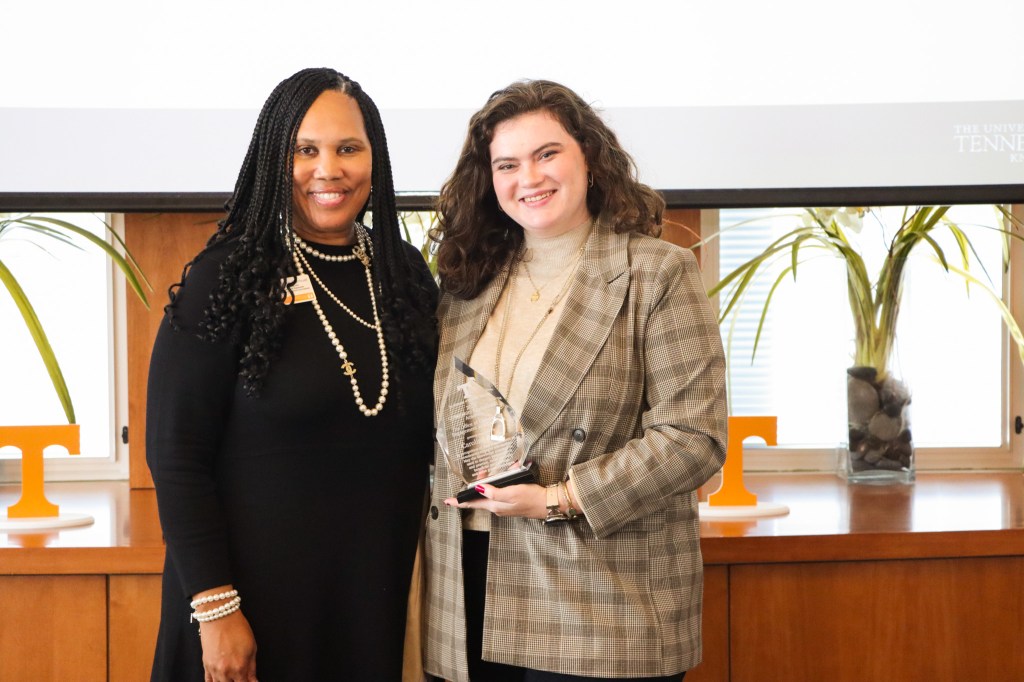
As I prepare to embark on my career in public health, I carry with me a deep commitment to community-engaged scholarship. I firmly believe that our obligation as researchers extends beyond academia; it includes actively participating in the betterment of the communities we serve. This mindset not only enhances our research but also enriches the lives of those we aim to support.
In my future work, I hope to embody the principles of community engagement by fostering true partnerships, advocating for health equity, and striving for sustainable change. Together, we can create a healthier and more equitable future for all, regardless of their zip code.
Final Thoughts
The lessons I’ve learned from the Community Engagement Academy have reinforced my belief that universities and researchers have an obligation to help the communities that support them. By bridging the gap between research and community, we can ensure that our work contributes to the well-being of everyone.
Let us continue to champion community engagement, striving to create meaningful connections that lead to lasting impact. Together, we can build a future where health equity is not just an aspiration but a reality for all!
